
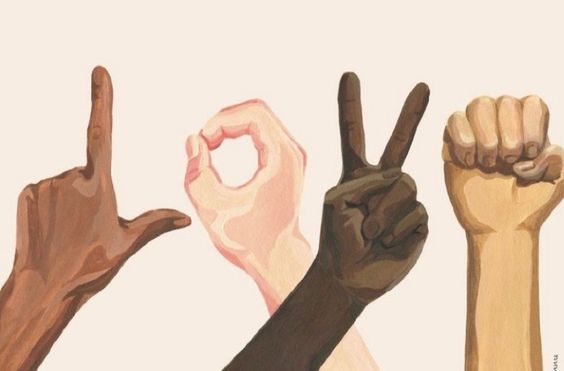
The Importance of Diversity in the Classroom

This article was originally published on April 9, 2021, in 60 Seconds Magazine. As of June 3, 2023, 60 Seconds Magazine‘s website is no longer active.

The world is having very important conversations regarding diversity right now, making it the perfect time to touch on social injustices, prejudices, and stereotyping in one of the most important places in our society—the classroom. Growing up as a first-generation Asian American, I didn’t always feel welcome in the classroom in elementary and middle school. This was partly due to the lack of lessons to help other students understand diversity.

There are so many opportunities for teachers to create lessons and activities that celebrate other cultures, religions, nationalities, and personal decisions, which will help create a comfortable and safe environment for everyone in the classroom. Most importantly, teachers will be able to nurture a more tolerant and understanding generation of students.

One of the best ways to break down prejudices and stereotypes is through literature. Students can benefit from being exposed to more books that touch upon tolerance, prejudices, racism, and stereotyping. Some popular choices include books such as To Kill a MockingbirdThe Hate U Give, and Don’t Call Me Special.

Another great way to increase awareness of other cultures is to share and celebrate each other’s holiday traditions. Questions such as where the holiday originated from and why people celebrate it will help students gain a deeper understanding of a variety of nationalities, religions, and holidays.

However, the best way to nurture culturally sensitive and understanding students is by being a positive role model. By actively standing against racism and prejudices, teachers will introduce important concepts about identity, culture, and tradition to their students, which will then influence their behavior in the future.
How Diversity Leads to Greater Awareness, Understanding, and Acceptance

This article was originally published on October 31, 2020, in 60 Seconds Magazine. As of June 3, 2023, 60 Seconds Magazine‘s website is no longer active.

While diversity may not necessarily be an unfamiliar concept, especially for those of us who live in more liberal states or come from more openminded cultural backgrounds, it is still important to recognize the positive impact that it has on us in our day-to-day lives.

If I can only choose one take-away from the conversations surrounding diversity, it will definitely be the way diversity improves our ability to think outside of the box and communicate effectively.

Let’s take a look at schools, for instance.

Historically, culturally diverse academic campuses offer a more robust educational experience, since students have the opportunity to interact with peers and mentors that come from different backgrounds and upbringings. This is especially true for students who may have previously been raised amongst people of similar racial, cultural, or socioeconomic backgrounds.

A diverse academic environment allows these students to come into contact with peers that they haven’t interacted with before, which in turn can challenge and dispel predisposed stereotypes about certain races, ethnicities, cultures, or economic upbringing. These interactions will also allow them to be more collaborative and will also present students with the opportunity to view things from a different perspective, skills that are very crucial to future success, especially in the workforce.

Most notably, diversity helps us understand and accept differing beliefs and perspectives, which thereby encourages us to become more aware and empathetic.

How Diversity in Literature Leads to Greater Awareness

This article was originally published on January 17, 2021, in 60 Seconds Magazine. As of June 3, 2023, 60 Seconds Magazine‘s website is no longer active.

When we’re younger, we form predisposed perceptions of what the “norm” is based on our own families and culture, and we often use these notions to judge those that have different upbringings and points of view.

As I was growing up, I read voraciously, and through literature, I was able to learn more about many different cultures and places. Reading has allowed me to explore the concept of diversity in a greater context, and as a result, I am much more aware of the differences that exist in our world. Through literature, I have become more openminded and empathetic, and rather than being skeptical of differences, I appreciate diversity and how it makes our world extraordinary.

Books such as Harper Lee’s To Kill a Mockingbird, Margaret Atwood’s The Handmaid’s Tale, George Orwell’s 1984, and Jhumpa Lahiri’s The Namesake have helped me understand and acknowledge the differences that exist in our world, especially the issues concerning race, culture, religion, abilities, gender, and socioeconomic status. These books have encouraged me to view our society in a completely new perspective, and in doing so, I have also started to change my attitude towards differences by celebrating the things that distinguish us.

I highly encourage reading the books mentioned earlier to expand your own perceptions about diversity. Knowledge helps us become more objective about the differences that exist in our communities, and it will also help us appreciate how these differences can bring us together.